
Japanese bedroom ideas: 6 real bedrooms, before and after
A Japanese bedroom is built for sleep and nothing else: low, quiet and warm. Here are six ordinary bedrooms redesigned in Japanese style, from a cottage room to a new build.
See your bedroom in Japanese style Android app · 2 free tries
 BeforeJapanese
What makes a bedroom Japanese? A low bed or futon, natural wood, tatami or a plain floor, paper-screen panels that soften the light, and almost nothing on display. In all six of our tests the AI made the same three moves: tatami on the floor, wood on the walls or ceiling, and a lower bed.
6 real bedrooms redesigned in Japanese style
Each before is a real home from Unsplash; each after is the DecorAI app's Japanese result, unedited.

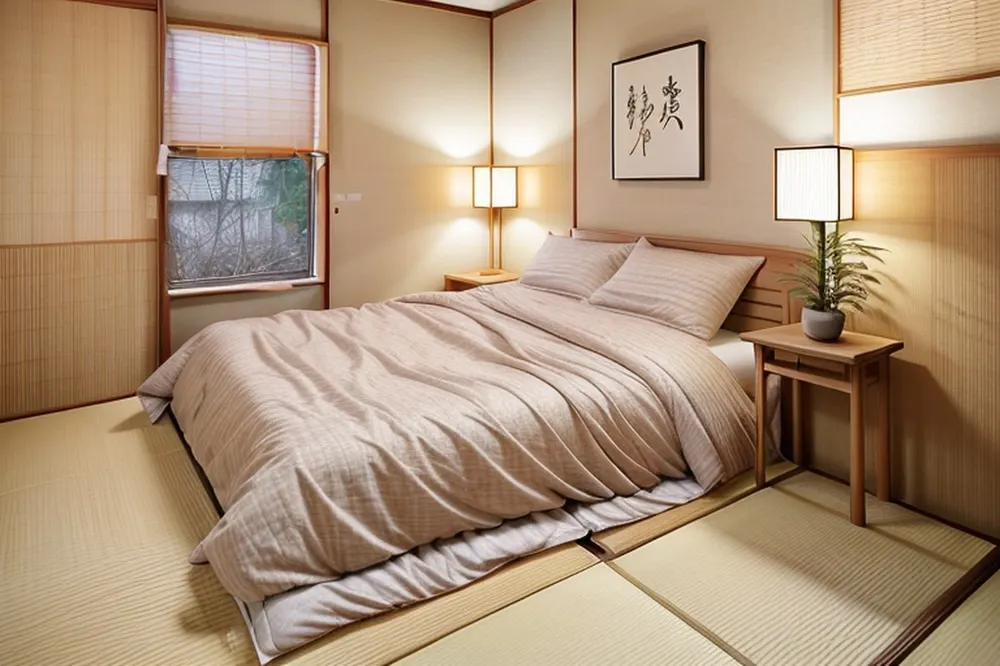 BeforeJapanese
BeforeJapanese
BeforeJapanese

 BeforeJapanese

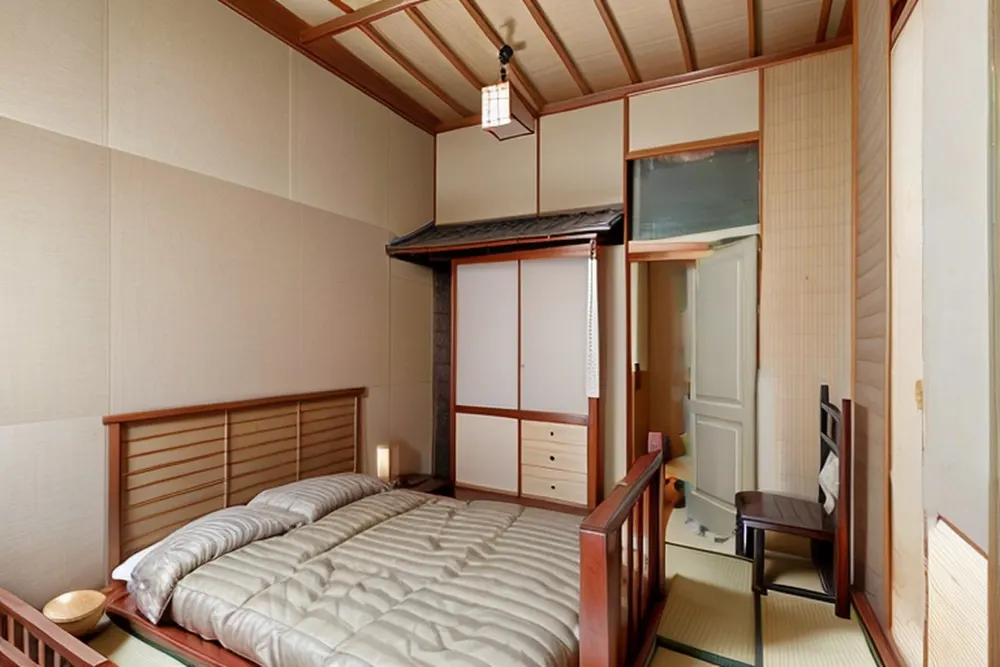 BeforeJapanese

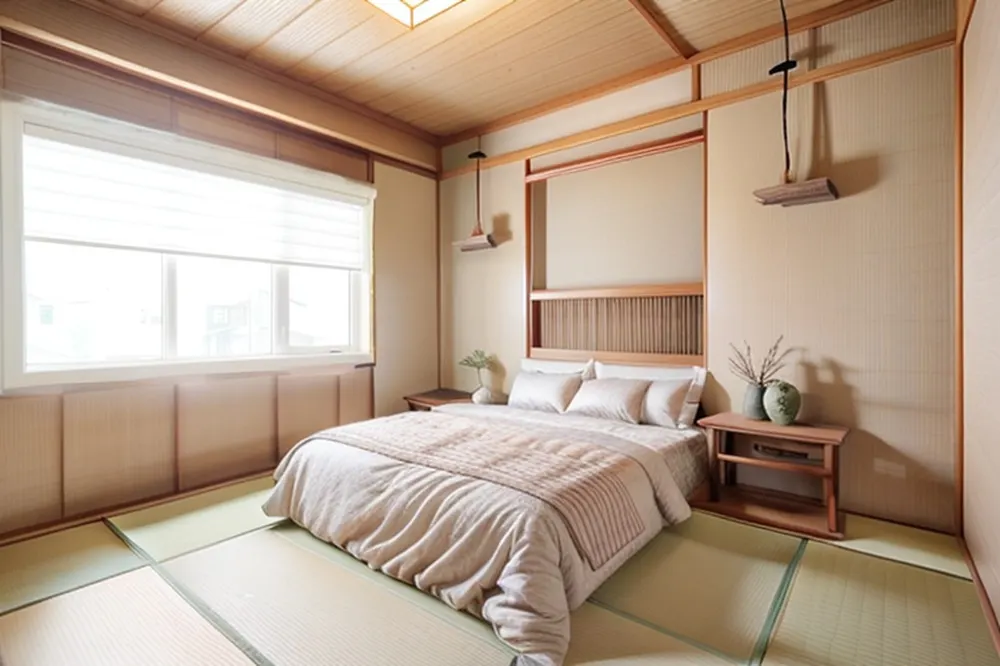 BeforeJapanese

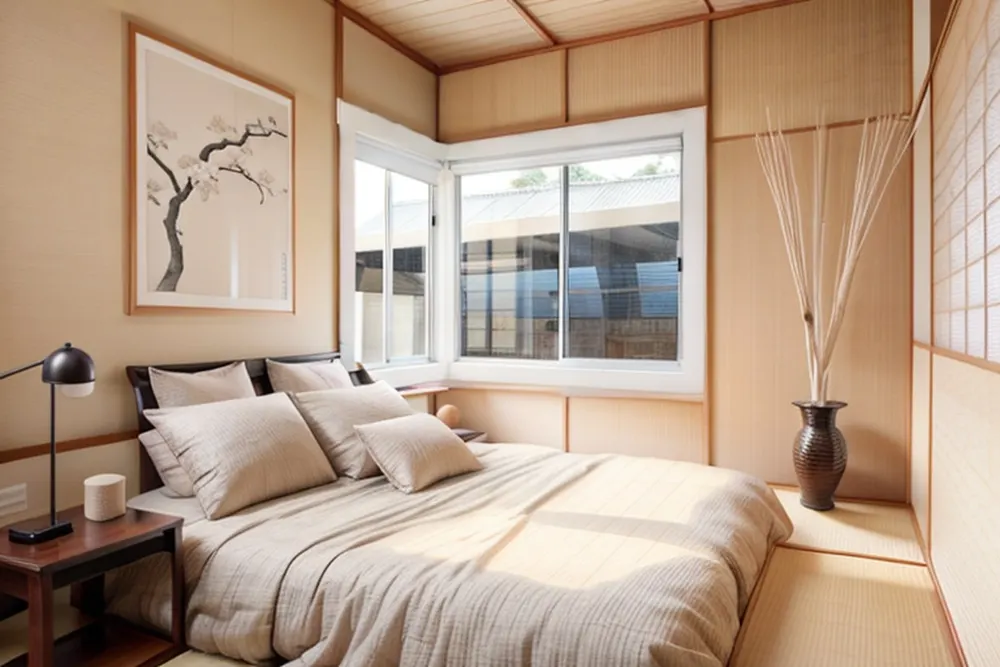 BeforeJapanese
Where it went wrong
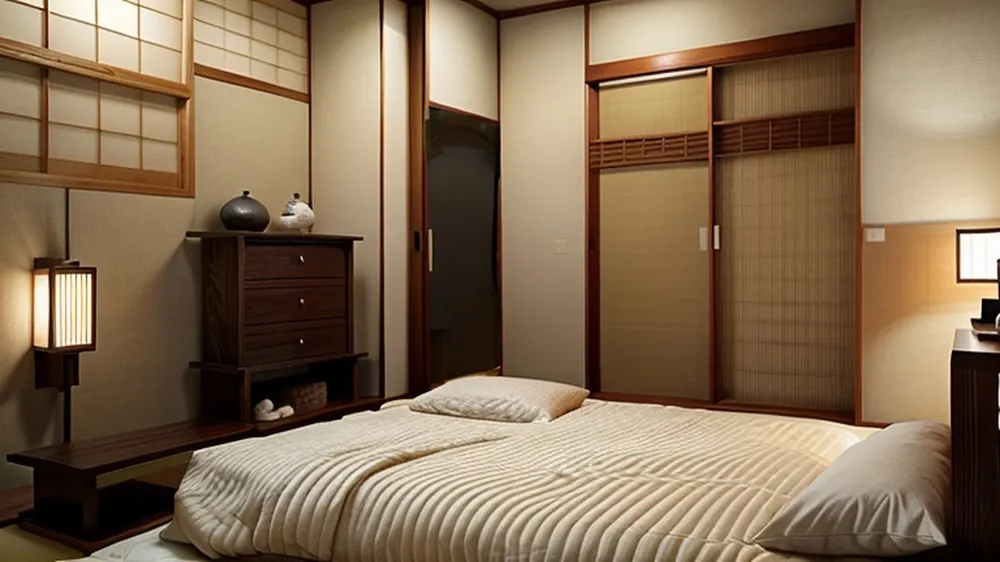
In this bedroom the AI turned the curtained window into a sliding shoji cupboard. The result looks calm, but the room lost its window. It's a habit we've seen in other styles too: the AI puts its favourite furniture where the curtains are.
If it happens to yours, run the photo again. Results change from try to try.

 BeforeJapanese
Japanese bedroom ideas you can copy
- Lower the bed. A platform bed or a futon changes the room more than anything else.
- One wood surface: a slatted headboard wall, as in room 5, or a wood ceiling.
- Soft, paper-filtered light. A paper pendant or floor lamp instead of a bright ceiling light.
- Hide everything. Sliding cupboards, nothing on the floor.
- One piece of art: an ink painting or a single branch in a vase.
Traditional vs modern Japanese style bedroom
Traditional means tatami, shoji, a futon and very little furniture, like room 1. A modern Japanese bedroom keeps the low bed and the wood but uses a normal floor, a platform bed and a few cupboards, closer to room 6.
For a softer mix, see our minimalist bedroom ideas; for Japanese style in the bathroom, our Japanese bathroom ideas.
A Japanese bedroom on a budget: what to change first
You don't need tatami or a new ceiling. Do these in order and stop when the room feels calm.
| Step | Change | Cost |
|---|---|---|
| 1 | Clear every surface and the floor; hide things in closed storage | Free |
| 2 | Plain bedding in white, oatmeal or grey | Low |
| 3 | A paper floor or pendant lamp instead of the ceiling light | Low |
| 4 | A low platform bed, or the mattress on a slatted base | Medium |
| 5 | Wood on one wall: slats or panels behind the bed | Medium |
| 6 | Sliding doors on the wardrobe; tatami mats | Higher |
The AI results above jump straight to step 6. Use them to see where you're heading, then pick the steps that fit your budget.
Japanese bedroom questions
What makes a bedroom Japanese style?
A low bed or futon, natural wood, tatami or plain floors, paper-screen (shoji) panels, soft light and almost no clutter. The aim is a calm room that feels close to nature.
Do I need tatami mats?
No. Tatami gives the most traditional look, but a low wooden bed on a light wood floor with a natural rug feels Japanese too. Every AI result above added tatami, so treat that as optional.
What is the difference between Japanese and Japandi bedrooms?
Japandi mixes Japanese calm with Scandinavian comfort: lighter woods, softer textiles and a little more furniture. A Japanese bedroom is lower, plainer and uses more traditional elements like shoji.
Which bed suits a Japanese bedroom?
A low platform bed in plain wood, or a futon on a mat. Keep the headboard simple, like the slatted headboards in rooms 4 and 5.
Can AI show my bedroom in Japanese style?
Yes. Take a photo of your bedroom in DecorAI, choose Japanese and Bedroom, and see your own room with tatami, shoji and a low bed. Check that your windows are still there. Two designs are free.
More bedroom styles
See one bedroom in six styles on our AI bedroom design page, or compare Japanese with 14 other styles in the interior design styles guide.
See your bedroom in Japanese style
Low, calm and wooden, on a photo of your own room.
Get DecorAI on Google Play